



إكتشاف مقابر جديدة من العصرين اليوناني والروماني بنقوش هيروغليفية في الجبانة حول منطقة ضريح الآغاخان بأسوان
- في إنجاز أثري جديد يُضاف إلى سجل الاكتشافات المهمة التي تشهدها محافظة أسوان، اكتشفت البعثة الأثرية المصرية الإيطالية المشتركة بين المجلس الأعلى للآثار وجامعة ميلانو عن عدد من المقابر المنحوتة في الصخر من العصرين اليوناني والروماني، وتحتوي على نقوش هيروغليفية بحالة جيدة من الحفظ، وذلك في الجبانة المحيطة بمنطقة ضريح الآغاخان في البر الغربي لأسوان
- وقد أسفرت أعمال الحفائر أيضاً، خلال موسم الحفائر لهذا العام، عن اكتشاف المقبر
كتبت: د.أميرة نصار
في إنجاز أثري جديد يُضاف إلى سجل الاكتشافات المهمة التي تشهدها محافظة أسوان، اكتشفت البعثة الأثرية المصرية الإيطالية المشتركة بين المجلس الأعلى للآثار وجامعة ميلانو عن عدد من المقابر المنحوتة في الصخر من العصرين اليوناني والروماني، وتحتوي على نقوش هيروغليفية بحالة جيدة من الحفظ، وذلك في الجبانة المحيطة بمنطقة ضريح الآغاخان في البر الغربي لأسوان.
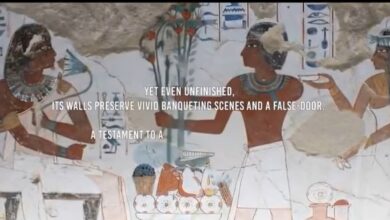
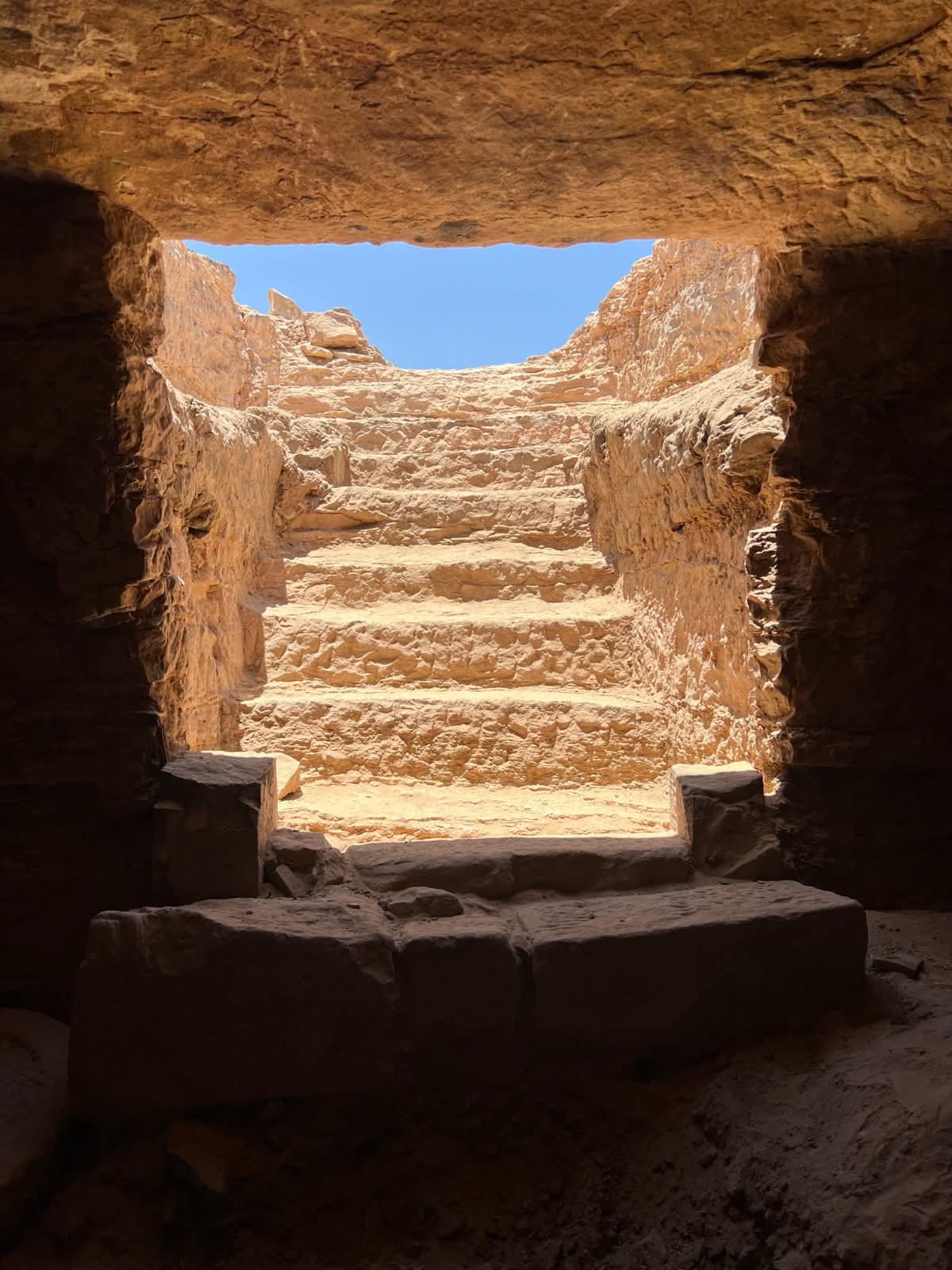
وقد أسفرت أعمال الحفائر أيضاً، خلال موسم الحفائر لهذا العام، عن اكتشاف المقبرة رقم (38)، والتي تُعد من أبرز المقابر المكتشفة حتى الآن من حيث التصميم والحالة الإنشائية، حيث تقع على عمق يزيد عن مترين تحت الأرض، ويؤدي إليها سلم حجري مكون من تسع درجات محاطة بمصاطب من الطوب اللبن، كانت تُستخدم لوضع القرابين الجنائزية.


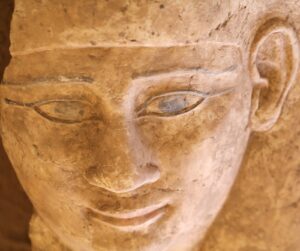
وفي داخل المقبرة، عُثر على تابوت من الحجر الجيري يبلغ ارتفاعه نحو مترين، موضوع فوق منصة صخرية نُحتت مباشرة في الجبل، ويتميز بغطاء على هيئة آدمية يحمل ملامح واضحة لوجه إنسان مزين بباروكة وزخارف مذهلة، بالإضافة إلى عمودين من النصوص الهيروغليفية التي تسجل أدعية للآلهة المحلية بمنطقة أسوان، واسم صاحب المقبرة “كا-مِسيو”، وهو أحد كبار المسؤولين في عصره، إلى جانب أسماء أفراد من أسرته.
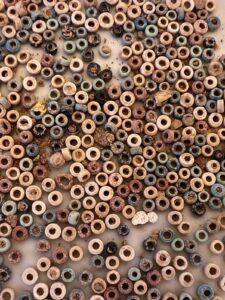
كما تم العثور على مومياوات بعضها لأطفال.
ووصف السيد شريف فتحي وزير السياحة والآثار، الكشف بالإضافة النوعية في محافظة أسوان، والذي يعكس تنوع وثراء الحضارة المصرية القديمة عبر العصور. كما يؤكد أهمية التعاون العلمي الدولي في دعم جهود الاكتشافات الأثرية حيث إن المقابر المكتشفة تفتح آفاقًا جديدة لفهم طبيعة المجتمع المحلي في أسوان خلال العصرين البطلمي والروماني، وتُبرز المكانة التاريخية للمنطقة كأحد المراكز الحضارية المهمة في جنوب مصر.
ومن جانبه، أوضح الدكتور محمد إسماعيل خالد الأمين العام للمجلس الأعلى للآثار، أن هذا الكشف بعد دليلاً واضحًا على استمرار الاستخدام الجنائزي للمنطقة من قبل مختلف الطبقات الاجتماعية، بدءًا من النخبة التي دُفنت في المقابر العلوية على الهضبة، ووصولًا إلى الطبقة المتوسطة التي استقرت في سفوح الجبانة. كما أن النقوش واللقى المكتشفة ستوفر مادة علمية غنية للباحثين في مجال علم المصريات، خصوصًا في ما يتعلق بالتقاليد الجنائزية والرمزية الدينية خلال الفترات المتأخرة من الحضارة المصرية.
وأوضح الأمين العام أن المومياوات المكتشفة داخل هذه المقابر، والتي تشمل عددًا من الأطفال، سيتم إخضاعها لفحوصات بالأشعة المقطعية والتحاليل البيولوجية خلال موسم الخريف المقبل، مما سيسهم في فهم أدق لهوية هؤلاء الأفراد وظروف حياتهم وأسباب وفاتهم.
وأشار الأستاذ محمد عبد البديع رئيس قطاع الأثار المصرية بالمجلس الأعلى للآثار، أنه على الهضبة الواقعة في أعلى التل، توجد مقابر ضخمة تحت الأرض تعود للعصر البطلمي خُصصت لعائلات النخبة الثرية، وقد أُعيد استخدامها خلال العصر الروماني.
كما كشفت البعثة في مواسم سابقة عددًا من المصاطب الجنائزية والمقابر المنحوتة في صخور جبال سيدي عثمان، بالمنطقة والتي تكشف عن نمط معماري متميز يعكس تفاعل الإنسان مع التضاريس الطبيعية للموقع.
جاء هذا الاكتشاف ضمن أعمال البعثة الأثرية بالموقع هذا العام والتي تعمل به منذ عام 2019، برئاسة الدكتورة باتريتسيا بياشنتيني، أستاذ علم المصريات بجامعة ميلانو، والأستاذ فهمي الأمين مدير عام آثار أسوان.
وتُعد هذه الاكتشافات المتتالية في جبانة بمنطقة ضريح الآغاخان دليلاً ملموسًا على الأهمية الأثرية للمنطقة، وإحدى ركائز المشهد الأثري في أسوان.
…..
وزارة السياحة والآثار
Press Release
5 July 2025
– Discovery of New Graeco-Roman Tombs with Hieroglyphic Inscriptions in the Necropolis Surrounding the Aga Khan Mausoleum in Aswan
In a remarkable archaeological achievement adding to the growing list of important discoveries in Aswan Governorate, the joint Egyptian-Italian archaeological mission between the Supreme Council of Antiquities and the University of Milan has uncovered several rock-cut tombs from the Graeco-Roman period, containing well-preserved hieroglyphic inscriptions. The discovery was made in the necropolis surrounding the Aga Khan Mausoleum on Aswan’s West Bank.
This year’s excavation season also led to the discovery of Tomb No. (38), which stands out as one of the most architecturally impressive and well-preserved tombs unearthed to date. The tomb lies more than two meters underground and is accessed via a stone staircase of nine steps flanked by mudbrick benches, believed to have been used for placing funerary offerings.
Inside the tomb, archaeologists found a nearly two-meter-tall limestone sarcophagus resting on a rock-carved platform. The anthropoid lid features a finely detailed human face adorned with a decorative wig and remarkable painted features. Two vertical columns of hieroglyphic text run along the body of the sarcophagus, containing prayers to local deities of Aswan and recording the name of the tomb’s owner, Ka-Mesiu, a high-ranking official of his time, as well as members of his family.
Several mummies, including those of children, were also discovered in the tomb.
Minister of Tourism and Antiquities, H.E. Sherif Fathy, described the discovery as a significant addition to the archaeological landscape of Aswan, reflecting the richness and diversity of ancient Egyptian civilization across historical eras. He emphasized the importance of international scientific cooperation in supporting archaeological efforts, noting that the newly uncovered tombs offer new insights into the social dynamics of the region during the Ptolemaic and Roman periods and reinforce Aswan’s historic status as a major cultural center in southern Egypt.
For his part, Dr. Mohamed Ismail Khaled, Secretary General of the Supreme Council of Antiquities, affirmed that this discovery provides clear evidence of the necropolis’s continued funerary use by various social classes—from the elite, buried in tombs atop the plateau, to the middle class that settled along its slopes. The inscriptions and artifacts recovered offer a rich source of material for Egyptologists, especially in the study of funerary traditions and religious symbolism in the later periods of ancient Egyptian history.
Dr. Khaled further noted that the mummies, including those of children, will undergo CT scans and biological analyses during the upcoming fall excavation season, contributing to a deeper understanding of their identities, health conditions, and causes of death.
Mohamed Abdel-Badei, Head of the Egyptian Antiquities Sector at the Supreme Council of Antiquities, highlighted that the plateau at the top of the hill hosts large underground tombs dating back to the Ptolemaic period, originally reserved for elite families and later reused during the Roman era.
In earlier excavation seasons, the mission also uncovered funerary terraces and rock-cut tombs across the rugged terrain of Gebel Sidi Osman, reflecting a distinctive architectural style and the ancient inhabitants’ adaptation to the natural landscape.
This discovery is part of the ongoing work of the joint mission at the site since 2019, led by Prof. Patrizia Piacentini, Professor of Egyptology at the University of Milan, and Mr. Fahmy El-Amin, Director General of Antiquities in Aswan.
The continuous discoveries in the necropolis surrounding the Aga Khan Mausoleum affirm the site’s archaeological importance and solidify its status as a cornerstone of the heritage landscape in Aswan.