



تثبيت أول قطعة خشبية على الهيكل الخاص بإعادة تركيب مركب الملك خوفو الثانية بالمتحف المصري الكبير
-وزير السياحة والآثار يوجه الشكر لفريق العمل على ما بذله من جهد كبير لترميم عناصر المركب الثانية …ويثمن التعاون الوثيق والممتد بين مصر واليابان في مجال العمل الأثري
كتبت: د. أميرة نصار
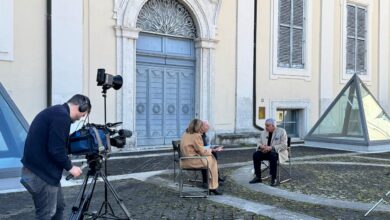
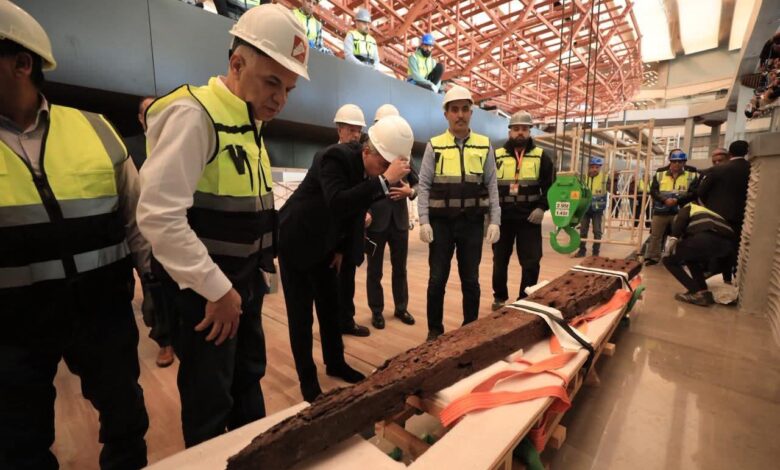
وسط اهتمام وتغطية إعلامية محلية ودولية واسعة، شهد اليوم السيد شريف فتحي وزير السياحة والآثار، بمرافقة الدكتور أحمد غنيم الرئيس التنفيذي لهيئة المتحف المصري الكبير، والسيدة ميادة مجدي الممثل الأول الإقليمي الوكالة اليابانية للتعاون الدولي مصر (الچايكا) مصر، أعمال تثبيت أول قطعة خشبية من ألواح مركب الملك خوفو الثانية التي تم ترميمها، على الهيكل الخشبي المُعد خصيصًا، إيذانًا ببدء المرحلة الأهم من مشروع إعادة تركيب المركب داخل متحف مراكب خوفو بالمتحف المصري الكبير.
حضر الفعالية الدكتور خالد حسن نائب الرئيس التنفيذي لهيئة المتحف المصري الكبير للشئون الأثرية والدكتور عيسى زيدان مدير عام ترميم الآثار ونقل القطع بالمتحف المصري الكبير، وعدد من قيادات المتحف وخبراء الترميم المصريين واليابانيين.

وأعرب السيد شريف فتحي وزير السياحة والآثار عن بالغ سعادته وفخره بهذا الحدث العلمي والأثري الفريد، مؤكداً على أن ما نشهده اليوم لا يقتصر على إعادة تركيب لمركّب أثري، بل يُمثّل إحياءً حقيقيًا لفصل بالغ الأهمية من عبقرية المصري القديم، ويُعد أحد أهم وأضخم مشروعات ترميم الآثار في القرن ال 21، لما يحمله من قيمة تاريخية وإنسانية استثنائية، ولما يعكسه من تقدم علمي وتقني في مجال صون التراث.
وثمّن السيد الوزير التعاون الوثيق والممتد بين مصر واليابان في مجال العمل الأثري، مشيرًا إلى أن هذا المشروع يُجسد نموذجًا ناجحًا للشراكة العلمية الدولية القائمة على تبادل الخبرات، وتطبيق أحدث الأساليب العلمية في الترميم والحفظ.
وأوضح وزير السياحة والآثار أن تنفيذ أعمال ترميم وإعادة تركيب المركب داخل متحف مراكب خوفو يُتيح لزائري المتحف من المصريين والأجانب تجربة استثنائية غير مسبوقة، حيث يمكنهم متابعة مراحل العمل العلمي والهندسي لحظة بلحظة، في تجربة حية تمزج بين المعرفة العلمية والمتعة البصرية. وأشار إلى أنه من المقرر أن تستغرق أعمال التركيب نحو أربع سنوات، حتى الانتهاء من إعادة تجميع المركب بالكامل داخل متحف المراكب.
وأكد السيد شريف فتحي أن هذه التجربة الجديدة ستضيف بعدًا نوعيًا للسياحة الثقافية في مصر، وتسهم في جذب شرائح جديدة من الزائرين المهتمين بالعلم والتراث والتجارب التفاعلية، حيث إن المتحف المصري الكبير لا يقدم آثارًا فقط، بل يقدم قصة علمية وإنسانية متكاملة، تجعل الزائر شريكًا في رحلة الاكتشاف والترميم، وهو ما يعزز مكانة المتحف كأحد أهم المتاحف في العالم.
ومن جانبه، أشار الدكتور أحمد غنيم، أن المتحف يشهد اليوم تجربة عرض متحفي فريدة على المستوى العالمي، تقوم على نقل الأثر وعرض مراحل ترميمه أمام الجمهور، بما يتيح للزائر رؤية الأثر ليس فقط في صورته النهائية، وإنما من خلال رحلته الكاملة منذ لحظة اكتشافه وحتى إعادة إحيائه.
وأضاف أن هذه التجربة تمثل نقلة نوعية في مفاهيم العرض المتحفي الحديثة، حيث تروي أعمال الترميم قصة علمية وإنسانية طويلة بدأت منذ اكتشاف المركب، مرورًا بمراحل دقيقة من الدراسة والتوثيق والترميم، وصولًا إلى إعادة تركيبها وفق أسس علمية مدروسة وصارمة.
وأكد الدكتور غنيم أن الحالة التي كانت عليها المركب عند اكتشافها كانت شديدة التدهور، ما جعل من عملية ترميمها تحديًا علميًا كبيرًا، نجح فريق العمل المصري–الياباني المشترك في تجاوزه بكفاءة عالية، في تجسيد واضح لالتزام المتحف المصري الكبير بتقديم تجارب مبتكرة تعزز وعي الزائر بقيمة الجهد المبذول في الحفاظ على التراث المصري للأجيال القادمة.
وفي السياق ذاته، أوضح الدكتور عيسى زيدان، مدير عام ترميم الآثار ونقل القطع بالمتحف المصري الكبير، أن فريق العمل انتهى من أعمال الترميم النهائي لجميع أجزاء المركب، والتي بدأت منذ عام 2022، عقب الانتهاء من استخراج جميع القطع الخشبية من موقع اكتشافها بالحفرة الجنوبية المجاورة لهرم الملك خوفو، وترميمها داخل معامل الترميم المتخصصة بالمتحف، مؤكدًا أن جميع أعمال التجميع وإعادة التركيب تتم داخل مبنى مراكب الملك خوفو الجديد.
ويُعد مشروع مركب الملك خوفو الثانية واحدًا من أهم مشروعات الترميم الأثري في العصر الحديث، حيث بدأ منذ اكتشاف حفرتي المراكب عام 1954. فبينما أُعيد تركيب المركب الأولى وعُرضت للجمهور، ظلت الحفرة الثانية مغلقة لعقود طويلة حفاظًا على بيئتها الداخلية. وفي عام 1992 انطلق المشروع المصري–الياباني بخطة علمية متكاملة شملت دراسات بيئية ومعملية دقيقة، وأعمال توثيق ورفع وترميم بالغة التعقيد.
وشهدت مراحل العمل إنشاء منشآت حماية ومعامل ترميم متخصصة، ورفع أحجار الغطاء الجيري الضخمة، ودراسة مظاهر التلف التي لحقت بالأخشاب عبر آلاف السنين، إلى جانب توظيف أحدث تقنيات التوثيق، بما في ذلك التصوير والرسم والمسح ثلاثي الأبعاد، حيث تم استخراج نحو 1650 قطعة خشبية كانت مرتبة داخل 13 طبقة.
ويبلغ طول المركب الثانية نحو 42 مترًا، ويتميز بخصائص إنشائية ووظيفية تختلف عن المركب الأولى، من بينها عدد المجاديف والعناصر المعدنية المصاحبة، وهي عناصر تعكس دقة التخطيط والتنظيم في صناعة السفن لدى المصريين القدماء خلال عصر الأسرة الرابعة.
ويؤكد مشروع مركب خوفو الثانية ما بلغه المصري القديم من تقدم هندسي ومعرفي في بناء السفن، ويُعمق فهم الدور الرمزي والجنائزي للمراكب الملكية، كما يُجسد ريادة الخبرة المصرية في صون التراث الإنساني، وأهمية التعاون الدولي في إحياء كنوز الحضارة القديمة وتقديمها بصورة معاصرة للأجيال الجديدة.
Minister of Tourism and Antiquities Witnesses the Installation of the First Wooden Element on the Structure for Reassembling the Second Khufu Boat at the Grand Egyptian Museum
Amid wide local and international media coverage, His Excellency Mr. Sherif Fathy, Minister of Tourism and Antiquities, today witnessed—accompanied by Dr. Ahmed Ghoneim, Chief Executive Officer of the Grand Egyptian Museum Authority, and Ms. Mayada Magdy, Chief Representative of the Japan International Cooperation Agency (JICA) in Egypt—the installation of the first restored wooden plank of the Second Khufu Boat onto the specially designed wooden support structure. This marks the commencement of the most critical phase of the boat’s reassembly project inside the Khufu Boat Museum at the Grand Egyptian Museum.
The event was attended by Khaled Hassan, Deputy CEO of the Grand Egyptian Museum Authority for Archaeological Affairs; Eissa Zeidan, Director General of Conservation and Artifact Transportation at the Grand Egyptian Museum; along with several museum officials and Egyptian and Japanese conservation experts.
During the event, Minister Sherif Fathy expressed his great pride and happiness at this unique scientific and archaeological milestone, noting that what is being witnessed today surpasses the concept of merely reassembling an ancient boat. Rather, it represents the revival of an important chapter of ancient Egyptian genius and stands as the most significant archaeological restoration project of the 21st century, given its exceptional historical and human value and the advanced scientific and technical methodologies applied in heritage conservation.
The Minister praised the longstanding and close cooperation between Egypt and Japan in the field of archaeology, emphasizing that this project exemplifies a successful model of international scientific partnership based on the exchange of expertise and the application of the latest conservation and preservation techniques.
Minister Fathy further explained that carrying out the restoration and reassembly works within the Khufu Boat Museum allows Egyptian and international visitors to enjoy an unprecedented experience, enabling them to follow the scientific and engineering processes in real time. This live, immersive experience seamlessly combines scientific knowledge with visual engagement. He noted that the reassembly process is expected to take approximately four years until the boat is fully reconstructed inside the museum.
He affirmed that this innovative experience would add a qualitative dimension to Egypt’s cultural tourism and attract new segments of visitors interested in science, heritage, and interactive experiences. The Grand Egyptian Museum, he stated, does not merely display artifacts, but presents an integrated scientific and human story that turns visitors into active participants in a journey of discovery and restoration—reinforcing the museum’s status as one of the world’s most important museums. He reiterated that what is being witnessed today is not merely the reassembly of an ancient boat, but the revival of a vital chapter of ancient Egyptian ingenuity and one of the most ambitious archaeological restoration projects of the 21st century.
For his part, Dr. Ahmed Ghoneim stated that the museum is witnessing a globally unique museological display experience based on transporting the artifact and presenting its restoration stages before the public. This allows visitors to see the artifact not only in its final form, but throughout its complete journey from discovery to revival.
He added that this experience represents a qualitative shift in modern museum display concepts, as the restoration works narrate a long scientific and human story that began with the boat’s discovery, passed through meticulous stages of study, documentation, and conservation, and culminates in its reassembly according to carefully considered and rigorous scientific principles.
Dr. Ghoneim confirmed that the condition of the boat at the time of its discovery was severely deteriorated, making its restoration a major scientific challenge. This challenge was successfully overcome by the joint Egyptian–Japanese team with high efficiency, clearly reflecting the Grand Egyptian Museum’s commitment to offering innovative experiences that raise visitor awareness of the extensive efforts required to preserve Egyptian heritage for future generations.
In the same context, Dr. Eissa Zidan, Director General of Conservation and Artifact Transportation at the Grand Egyptian Museum, explained that the team has completed the final conservation of all components of the boat. These works began in 2022 following the extraction of all wooden elements from their discovery site in the southern pit adjacent to the Great Pyramid of King Khufu. The elements were conserved within the museum’s specialized laboratories, with all reassembly works being carried out inside the new Khufu Boats Building.
The Second Khufu Boat Project is considered one of the most important archaeological restoration projects of modern times. It dates back to the discovery of the two boat pits in 1954. While the first boat was reassembled and displayed to the public, the second pit remained sealed for decades to preserve its internal environment. In 1992, the Egyptian–Japanese project was launched under an integrated scientific plan that included precise environmental and laboratory studies, along with highly complex documentation, lifting, and conservation works.
The project involved the construction of protective structures and specialized conservation laboratories, the lifting of massive limestone cover blocks, and the study of deterioration patterns affecting the wooden elements over thousands of years. Advanced documentation techniques were employed, including photography, drawing, and 3D scanning, resulting in the extraction of approximately 1,650 wooden pieces arranged in 13 layers.
The second boat measures approximately 42 meters in length and features structural and functional characteristics distinct from the first boat, including variations in the number of oars and associated metal elements. These features reflect the precision of planning and organization in ancient Egyptian shipbuilding during the Fourth Dynasty.
The Second Khufu Solar Boat Project highlights the advanced engineering and technical knowledge achieved by ancient Egyptians in shipbuilding, deepens understanding of the symbolic and funerary role of royal boats, and embodies Egypt’s leadership in safeguarding human heritage. It also underscores the importance of international cooperation in reviving the treasures of ancient civilization and presenting them in a contemporary manner to new generations.