



Sawiris Foundation for Social Development Marks the Closing of the 21st Edition of the Sawiris Cultural Award in a Ceremony Honoring Winners and Celebrating Creativity
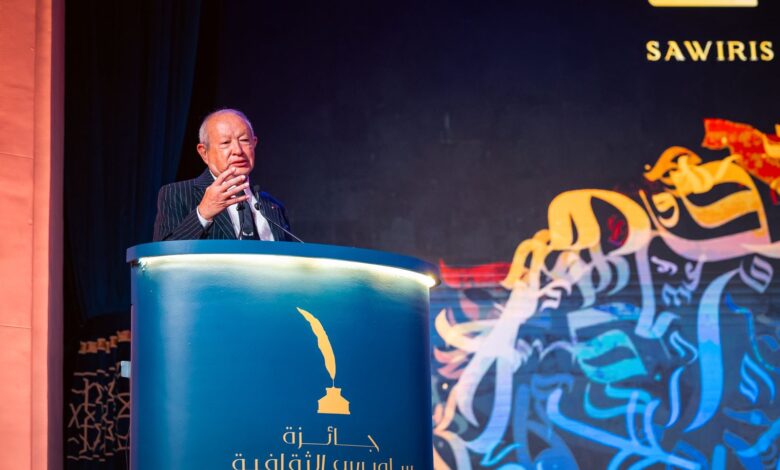
In a celebration reflecting the presence of the written word as an integral part of Egypt’s cultural scene, the Sawiris Foundation for Social Development marked the closing of the 21st edition of the Sawiris Cultural Award. The ceremony was held at the Tahrir Cultural Center, Ewart Memorial Hall at the American University in Cairo, where established and emerging writers were recognized for their distinguished literary contributions across the Award’s various categories, in continuation of the Award’s mission to support creativity and bring forward a wide range of literary voices.
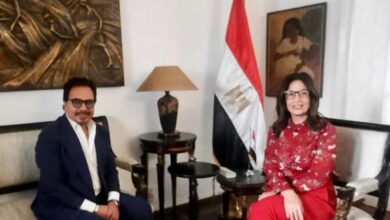
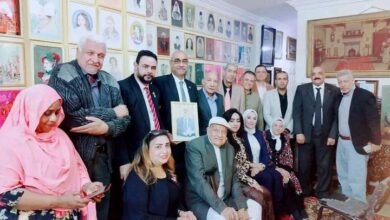
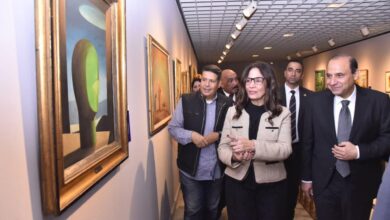
The event was attended by Dr. Mohamed Abou El-Ghar, Member of the Award’s Board of Trustees; Eng. Samih Sawiris, Member of the Board of Trustees of the Sawiris Foundation for Social Development and Patron of the Sawiris Cultural Award; and Eng. Naguib Sawiris, Vice Chairman of the Board of Trustees. The event also welcomed the Guest of Honor of the 21st edition, renowned actress Elham Shahin, alongside a distinguished gathering of intellectuals, artists, creators, and public figures. The ceremony was hosted by media professional, Jasmine Taha, and featured artistic performances by Ayamna El-Helwa band, the Ayoub Sisters, and emerging singer Haneen El-Shater, as part of a celebratory program that bridged literary creativity with artistic expression.
The 21st edition recognized outstanding works across a wide range of categories, including novels, short story collections, literary criticism, narrative studies, theatrical texts, screenplays, and children’s literature, reflecting the Award’s wide range and reinforcing its position as an annual platform for celebrating Egyptian literature and supporting writers from different generations.

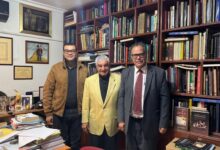


During the ceremony, the winners of the 21st edition were announced as follows: In the Best Novel category for established writers, the Award was granted to Ahmed Abdel Latif for his novel “Daniel’s Ages in the City of Threads”, published by Dar El-Ain. In the Best Short Story category for established writers, Olfat Atef won for her collection The Sons of the Gazelle, published by Dar El-Hala.
In the Best novels category for emerging writers, first place was awarded to Walid Mekki for his novel “The First Suakin”, published by Dar El-Ain, which also received the Translation Award, while Maryam Al-Agamy placed second for her novel “Maryam’s Portrait”, published by the General Egyptian Book Organization. In the Best short story collections category for emerging writers, the first prize was withheld, and second place went to Nasma Ouda for her collection “Pet Mice”, published by Dar Al-Moharir for Publishing and Distribution.
In the Best screenplay category for established writers, the award was presented to the film “The Distant Land”, written by Nadine Salib and Abdullah El-Ghali. In the Best screenplay category for emerging writers, the award went to the film “A Young Man in Trouble”, written by Ahmed Sobhi and Berihan Moussa. In the Best Playwriting category, first place was awarded to “Refugee No. 1”, written by Khaled Raslan, while second place went to “Flomaster Marka”, written by Hani Mahran.
In the Best literary criticism and narrative studies category (shared prize), the awards were presented to “Al-Khawagaya”, written by Femony Okasha and published by Dar El-Shorouk, and “The Subtleties of Criticism and Poetry”, written by Mohamed Abdel-Baset Eid and published by Dar El-Ain. In the Best children’s literature category for ages under 12, first place went to “Lara the Mouse and Her Neighbors in the Building”, written by Reham Shendy with illustrations by Basma Hesham, published by Nahdet Masr, while second place was awarded to “When Laughter Disappeared from the World”, written by Ahmed El-Fakharany with illustrations by Hiam Safwat, published by Dar Marah for Publishing.
For the 2026 edition, seven jury committees were formed across the Award’s various categories, each comprising five prominent writers, authors, filmmakers, theater practitioners, critics, and drama professors. The committees evaluated submissions according to rigorous process governed by complete confidentiality, integrity, and objectivity, ensuring fairness and independence in the judging decisions.
The jury for the Best Novel and Best Short Story category for established writers included the critic and author Mr. Mohamed Shaeer (committee chair), novelist and short story writer Mr. Gar El-Nabi El-Helw, writer Mr. Sobhi Moussa, Dr. Faten Morsi, and Dr. Fatma Qandil. The jury for the Best Novel and Best Short Story category emerging writers included the novelist and author Mr. Mahmoud El-Wardani (committee chair), the author Dr. Basma Abdel Aziz, poet and theater critic Mr. Gerges Shoukry, journalist Ms. Jehan El-Gharbawy, and Dr. Monaireh Suleiman.
The jury for the Best Screenplay category for established writers included director of photography Mr. Saeed Shimy (committee chair), film director Mr. Bassam Mortada, editor Dr. Rahma Montaser, Dr. Salma Mubarak, and artist and critic Ms. Menha El-Batrawy. The jury for the Best Screenplay category for emerging writers included writer and filmmaker Mr. Abdel Fattah Kamal (committee chair), film director Ms. Taghreed El-Asfouri, writer and filmmaker Mr. Khaled Ezzat, film director Ms. Maggie Morgan, and writer-director Ms. Nadia Kamel.
The jury for the Best Playwriting category included Dr. Dina Amin (committee chair), Dr. Eman Ezz El-Din, Dr. Dalia Mansour, Dr. Reem El-Degwy, and theater director Mr. Nasser Abdel Moneim. The jury for the Literary Criticism and Narrative Studies category included critic Dr. Mohamed Badawy (committee chair), Dr. Khairy Douma, journalist and author Ms. Dalia Shams, Dr. Sahar El-Mougy, and Dr. Hala Fouad. The jury for the Best Children’s Literature category for under 12 included Dr. Abdel Rahman Nour El-Din (committee chair), illustrator and graphic designer Ms. Dina Mohamed, cartoonist and writer Mr. Sherif Arafa, visual artist and illustrator Ms. Sally Samir, and Dr. Nadia El-Khouly.
It is worth noting that since its launch in 2005, Sawiris Cultural Award has contributed to the discovery and recognition of hundreds of creators across different generations and disciplines, firmly establishing its position as one of the most prominent literary awards in the Arab world and serving as a testament to the role of the Sawiris Foundation for Social Development in supporting enlightened thinking and promoting Egypt’s cultural identity.